
The Dubai property market has achieved a remarkable milestone in the third quarter of 2025, with total real estate transactions reaching $37.6 billion. This surge represents one of the strongest performances in the city’s real estate history, driven largely by a spike in off-plan property sales. Dubai’s continued status as a global investment hub, combined with government initiatives and investor-friendly regulations, has cemented its reputation as one of the world’s most dynamic real estate destinations.
Overview of the Dubai Property Market in Q3 2025
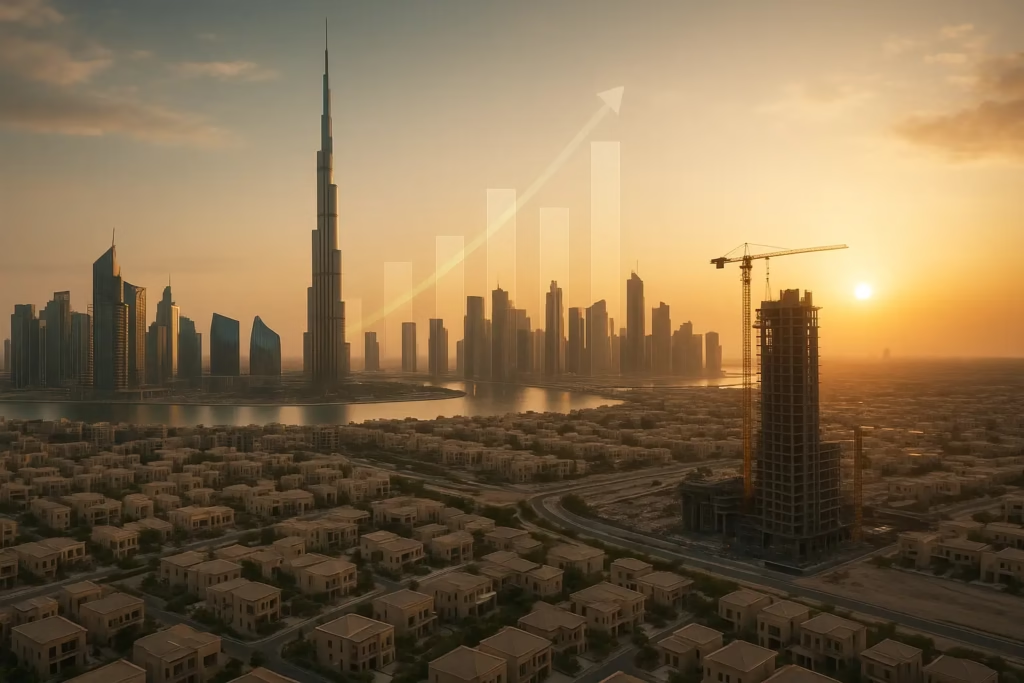
The real estate sector in Dubai has demonstrated consistent momentum throughout 2025. According to official data from the Dubai Land Department (DLD), the city recorded over 35,000 property transactions during the third quarter alone. This marks a significant increase compared to the same period in 2024, when total transactions stood at approximately $29.4 billion.
The driving force behind this growth is the rising popularity of off-plan projects, which now account for nearly 60% of total property sales. This trend showcases investor confidence in Dubai’s long-term potential and a renewed interest from both domestic and international buyers seeking to capitalize on flexible payment plans and competitive entry prices.
The Rise of Off-Plan Property Sales
Why Off-Plan Projects Are Dominating the Market
Off-plan properties—units sold before construction is completed—have become the preferred investment option for many buyers in Dubai. In Q3 2025, the total value of off-plan transactions rose by 48% year-on-year, underscoring a robust appetite for early-stage investments.
Developers such as Emaar, Damac, Sobha, and Nakheel have reported record pre-sales across their new projects in prime locations like Downtown Dubai, Dubai Creek Harbour, and Jumeirah Village Circle. The surge is partly due to innovative project financing options, where buyers can spread payments across several years, reducing initial financial pressure.
Investor Confidence and Global Demand
Dubai’s strong economic performance, strategic infrastructure development, and the success of its Golden Visa program continue to attract a global pool of investors. Buyers from India, Russia, China, the UK, and Europe remain key contributors to the city’s off-plan segment. Many are motivated by the prospect of high rental yields, tax-free returns, and the potential for long-term capital appreciation.
Key Market Drivers in 2025
1. Economic Stability and Growth
Dubai’s economy continues to expand at a healthy pace, supported by diversified sectors such as trade, tourism, logistics, and finance. The Emirate’s GDP growth rate for 2025 is projected to exceed 4%, creating a favorable environment for property investments. This economic stability gives confidence to developers and end-users alike.
2. Infrastructure and Mega-Projects
Large-scale infrastructure projects are transforming Dubai’s urban landscape. Developments like the Dubai 2040 Urban Master Plan, Expo City, and the Dubai Creek Harbour expansion are enhancing accessibility and boosting property values in adjacent areas. Improved transport networks, such as new metro lines and green mobility corridors, are also increasing the appeal of suburban communities.
3. Government Initiatives and Regulations
The Dubai government has played a proactive role in sustaining real estate growth. Through the Dubai Land Department and Real Estate Regulatory Authority (RERA), transparency, investor protection, and efficient property registration have become key strengths of the market. The Golden Visa initiative and 100% foreign ownership laws have also encouraged long-term investment commitments from international buyers.
Popular Areas Driving Property Demand
Downtown Dubai
Home to iconic landmarks like the Burj Khalifa and Dubai Mall, Downtown remains a top choice for investors seeking luxury and prestige. The area continues to command premium prices, with average property values increasing by 12% year-on-year.
Dubai Creek Harbour
Often called the “new Downtown,” Dubai Creek Harbour has become the focal point of off-plan investments. With eco-friendly master planning, waterfront living, and proximity to business districts, it attracts both end-users and investors.
Jumeirah Village Circle (JVC)
For mid-range investors, JVC offers affordability combined with growing community amenities. The area recorded a 30% increase in off-plan transactions during Q3 2025, reflecting its rising popularity among first-time buyers.
Business Bay and Dubai Marina
Both districts remain strong performers in the secondary market, particularly for rental income seekers. With occupancy rates above 85%, they remain some of Dubai’s most lucrative zones for short-term and long-term leasing.
Market Segmentation: Off-Plan vs. Ready Properties
While off-plan sales dominate the headlines, ready property transactions still play a critical role. The ready market contributed roughly $15 billion of the total Q3 transaction value, fueled by high demand for immediate occupancy and rental income generation. However, off-plan’s higher flexibility and developer incentives—like post-handover payment plans—continue to give it a competitive edge.
Rental Market Trends
The Dubai rental market continues to experience an upward trajectory in 2025. The average rent for apartments has increased by 14%, while villas have seen an even sharper rise of 19%. This growth is largely attributed to population inflows, increased tourism, and demand from expatriates seeking long-term residences.
Popular communities like Dubai Hills Estate, Arabian Ranches, and Palm Jumeirah are witnessing some of the highest rental yields in the city, averaging between 6% and 8% annually—a rate significantly higher than many global markets.
Foreign Investment and Global Impact
Dubai’s status as a global real estate magnet continues to strengthen. The Emirate’s real estate market remains highly liquid, supported by straightforward transaction procedures and a secure legal framework. Global investors view Dubai as a safe haven for capital, especially amid global economic uncertainties.
Additionally, the introduction of digital property transactions and blockchain-based land registration by DLD has made it easier for international investors to buy and manage properties remotely, increasing accessibility and trust.
Market Outlook for 2026 and Beyond
Industry experts predict continued growth into 2026, driven by strong investor sentiment, upcoming mega-projects, and expanding economic sectors. While property prices are expected to stabilize slightly after sharp gains in early 2025, demand for off-plan projects will likely remain robust due to their affordability and flexible financing options.
Dubai’s commitment to sustainability and smart city innovation also positions it for long-term resilience. With rising interest from institutional investors and real estate funds, the market’s maturity and sophistication will deepen further in the coming years.
Conclusion
The Dubai property market’s performance in Q3 2025, reaching $37.6 billion in total transactions, underlines the Emirate’s enduring global appeal. With off-plan projects leading the charge, investor confidence remains strong, backed by sound regulations, economic growth, and visionary urban development.
For investors seeking stability, profitability, and international exposure, Dubai continues to deliver. The city’s property market is not just expanding—it’s evolving into one of the world’s most sustainable and forward-thinking real estate landscapes.