
The Dubai property market continues to demonstrate resilience and robust performance through 2025, driven by strong investor sentiment, steady population growth, and Dubai’s global appeal as a premier real estate destination. From luxury waterfront developments to affordable housing, the city’s dynamic real estate ecosystem is evolving rapidly. This report provides an in-depth analysis of the Dubai property market performance from Q1 to Q3 2025, highlighting trends, investment opportunities, and forecasts for the remainder of the year.
Overview of Dubai’s Property Market in 2025
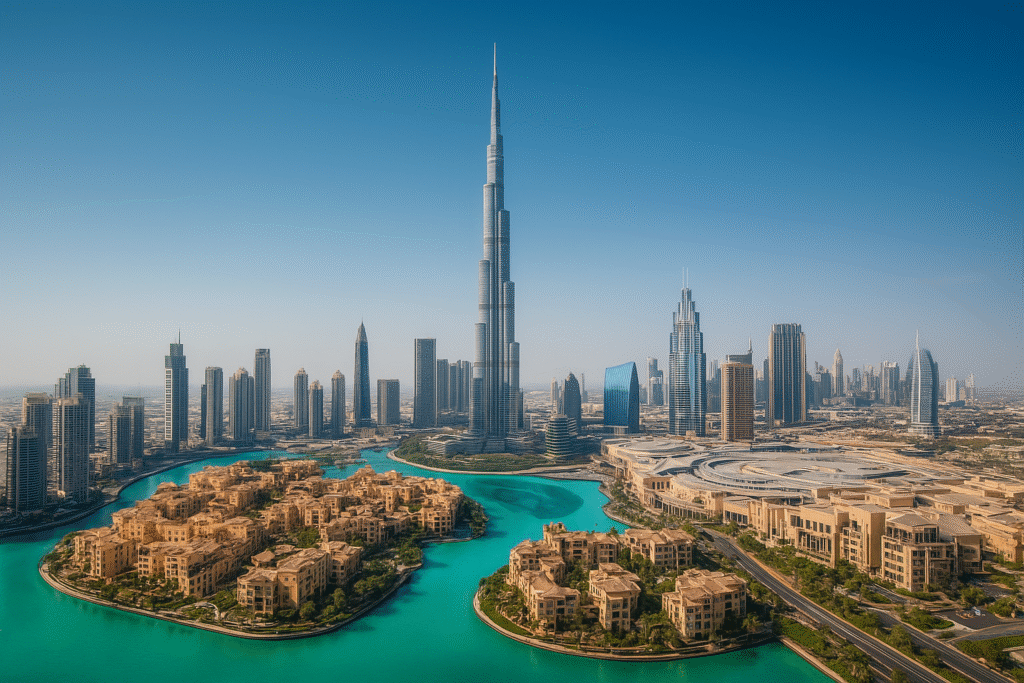
As of Q3 2025, Dubai’s real estate market recorded impressive growth across all major segments—residential, commercial, and hospitality. According to data from the Dubai Land Department (DLD), total transaction volumes increased by nearly 18% year-on-year, signaling sustained investor confidence.
The residential sector remains the backbone of the market, with a notable shift toward luxury apartments and waterfront properties, particularly in areas like Dubai Marina, Palm Jumeirah, and Dubai Creek Harbour. Meanwhile, the off-plan market continues to thrive, attracting international investors seeking long-term value.
Q1 2025: Strong Start Driven by Investor Confidence
High Off-Plan Sales Activity
The year began on a positive note, with off-plan transactions accounting for approximately 58% of total sales in Q1. Developers like Emaar, DAMAC, and Sobha Realty launched new high-end projects such as The Valley, Sobha Hartland II, and DAMAC Lagoon Views, offering flexible payment plans to attract buyers.
In particular, Emaar’s launches in Dubai Hills Estate and Creek Waters witnessed exceptional demand, selling out within weeks.
Surge in Foreign Investment
Foreign investors—especially from India, Russia, China, and the UK—continued to dominate the market, drawn by Dubai’s zero property tax policy, investor-friendly regulations, and high rental yields (averaging 6–8% annually). The UAE Golden Visa program further stimulated interest, enabling long-term residency for investors exceeding AED 2 million in property value.
Q2 2025: Stable Growth Amid Global Economic Shifts
Sustained Residential Demand
In Q2, transaction values reached AED 138 billion, marking a 12% increase from Q2 2024. Areas like Business Bay, Jumeirah Village Circle (JVC), and MBR City showed consistent performance in both apartment and villa categories.
Developers strategically focused on mid-income housing projects to cater to the growing demand from expatriate professionals.
Rental Market Expansion
The rental market experienced strong upward momentum, with average rents rising by 9% compared to Q1. Downtown Dubai and Palm Jumeirah recorded the steepest rental increases, reflecting high occupancy rates driven by expatriates and short-term visitors.
Furthermore, the influx of remote workers and digital nomads, supported by Dubai’s work-from-anywhere visa, bolstered the furnished apartment segment.
Q3 2025: Maturity and Market Consolidation
Luxury Segment Leads Market Growth
The third quarter showcased the dominance of the luxury property segment, particularly in areas like Dubai Hills, Emirates Hills, and Jumeirah Bay Island. Properties priced above AED 10 million accounted for nearly 25% of total sales, reflecting sustained demand from ultra-high-net-worth individuals.
Developments such as Ava at Palm Jumeirah and Six Senses Residences witnessed record-breaking per-square-foot prices, further solidifying Dubai’s position among the world’s most luxurious real estate markets.
Shift Toward Sustainability
Developers are increasingly integrating sustainability and smart technologies into their projects. Green-certified buildings, energy-efficient materials, and solar-powered solutions are becoming essential components of new developments.
Communities like Tilal Al Ghaf and The Sustainable City are leading examples of eco-conscious living, attracting investors seeking long-term environmental and financial benefits.
Performance by Property Type
Apartments
Apartments remained the top-performing asset type, accounting for around 70% of total sales transactions in 2025. Key high-demand areas included:
- Downtown Dubai – luxury lifestyle appeal and proximity to Burj Khalifa.
- Dubai Marina – strong rental demand and vibrant community living.
- JVC and Al Furjan – affordable options with promising ROI.
Villas and Townhouses
Villas continue to attract family buyers, especially in suburban communities such as Arabian Ranches, Mudon, and Dubai South. Average villa prices rose 10–12% year-on-year, supported by limited supply and increasing preference for spacious living post-pandemic.
Commercial Properties
The commercial real estate sector also rebounded strongly, with growing demand for flexible co-working spaces and Grade-A offices. The rise of startups, fintech firms, and digital marketing companies contributed to a 7% increase in office space absorption rates.
Key Investment Hotspots in Dubai (2025)
| Location | Average Price/Sq.ft | ROI (%) | Market Highlights |
|---|---|---|---|
| Dubai Marina | AED 2,150 | 6.8 | Luxury apartments, high rental demand |
| Downtown Dubai | AED 2,400 | 6.2 | Premium lifestyle and iconic landmarks |
| JVC | AED 1,000 | 7.4 | Affordable investment with steady appreciation |
| MBR City | AED 1,850 | 6.5 | High-end villas and smart city features |
| Dubai Creek Harbour | AED 1,950 | 6.9 | Waterfront community and Emaar developments |
Government Initiatives and Regulatory Support
The Dubai government’s proactive policies continue to fuel growth. Key initiatives include:
- Golden Visa Program: Extended eligibility for investors and skilled professionals.
- Virtual Asset Regulation: Strengthening investor confidence in crypto-backed real estate transactions.
- Dubai Urban Master Plan 2040: Focused on expanding green spaces, connectivity, and sustainable infrastructure.
These measures collectively reinforce Dubai’s reputation as a transparent, investor-friendly market with a strong regulatory framework.
Market Forecast for Q4 2025 and Beyond
Looking ahead, analysts predict continued growth, albeit at a more sustainable pace. Q4 2025 is expected to witness:
- Increased off-plan launches by leading developers.
- Rising demand for smart and eco-friendly homes.
- Strong capital appreciation in mid-market and luxury segments.
With the Expo City expansion, AI-integrated property management systems, and new waterfront mega-projects, Dubai is poised to maintain its position as one of the most attractive real estate hubs globally.
Conclusion: Dubai’s Real Estate Market Continues to Thrive
The Dubai property market (Q1–Q3 2025) reflects a perfect blend of stability, innovation, and opportunity. Whether for end-users, global investors, or developers, Dubai offers diversified investment potential, high rental yields, and world-class infrastructure.
As the city advances toward Vision 2040, sustainable development, digital transformation, and investor-centric reforms will continue to drive growth into 2026 and beyond.
Dubai remains not just a real estate destination—but a global investment powerhouse.